

Sustainability

Sustainability Approach
A structured sustainability approach is applied to the planning, delivery, and evaluation of the conference, based on experience gained through its formal introduction in 2025. The approach was first implemented at the 2025 conference held in Hyderabad, India, hosted at the Hyderabad International Convention Centre (HICC) and the Novotel Hyderabad Convention Centre Hotel. It was developed and tested within the practical constraints of a large-scale international scientific event, establishing a consistent framework for transparency, accountability, and continuous improvement.
The experience from 2025 demonstrated how sustainability considerations can be integrated into conference delivery in a structured and proportionate way. For this ICASSP26 edition, sustainability guidelines were established within the broader conference framework, and the local organizing committee has incorporated these principles into the event planning to the extent possible within the given planning stage. Ongoing efforts aim to ensure even earlier alignment and integration in future conferences.
The approach also recognises that, as organisers of a large international event, not all impacts can be directly controlled. Action is therefore focused on areas where decisions can be taken by the organisers, as well as areas where behaviours and choices can be influenced through guidance, design, and communication. Other aspects, particularly those linked to individual travel and external factors, remain outside direct organisational control.
Sustainability is embedded across the full event lifecycle — from early planning and procurement to on-site delivery and post-event review. The approach is guided by the AIMS framework (Affordable, Inclusive, Memorable, and Sustainable) and grounded in the principles of sustainability as a core value, local engagement and support, education and awareness, transparency and accountability, and continuous improvement.
Performance is reviewed using defined indicators, allowing actions taken and outcomes achieved to be documented and assessed. This ensures that sustainability measures can be implemented and evaluated without introducing unnecessary operational complexity during conference delivery.
Sustainability Framework and Performance Indicators
The sustainability approach is structured around four core pillars. Each pillar defines a key area of focus and is supported by specific Key Performance Indicators (KPIs) used to measure delivery, monitor progress, and support transparent reporting. The KPIs focus on areas within organisational control or influence, reflecting the realities of delivering a large-scale international conference.
Operational Sustainability Excellence
This pillar focuses on integrating practical measures across core operational areas, including catering, materials, waste management, transport, and venue operations.
Key Performance Indicators
Sustainable Food
- 70% of all meals vegetarian and locally sourced (within a 160 km radius).
Food Donation Program - Safe, surplus edible food donated to accredited local organizations
Materials - 80%+ of all signage and branding digital or produced using more sustainable materials
Waste Reduction
- Reduce food waste, and use of single-use plastic in all areas of the event
- Eliminate polystyrene and PVC
Waste Diversion Rate - 50%+ of event waste diverted from landfill through effective segregation and recovery processes
Measurement
- 100% of major emission sources measured and included in the ICASSP’s carbon footprint report.
Participant Engagement
This pillar addresses how attendees are informed and involved in sustainability efforts through clear guidance, programme content, and visible initiatives.
Key Performance Indicators
Awareness
- 100% of registered participants informed about sustainability measures through pre-event and on-site communications.
Program - Incorporate event sustainability content into keynotes, sessions, and other deliverables, aligning with the conference program areas.
Feedback - 30%+ of attendees providing feedback on sustainability efforts through post-event surveys or the event app.
Communications and Reporting
This pillar focuses on ensuring that sustainability actions and outcomes are communicated clearly and consistently before, during, and after the conference, supporting transparency and accountability.
Key Performance Indicators
Visibility
- Sustainability messaging integrated across all on-site engagement touchpoints.
Post-event Reporting - Distribution of a sustainability report summarising sustainability actions and outcomes.
Community Engagement
This pillar reflects efforts to support the local economy and community through sourcing and partnerships, where feasible, recognising the role of the conference within its host location.
Key Performance Indicators
Community Engagement
- Locally made goods provided in the delegate kit to support the local economy.
Venue
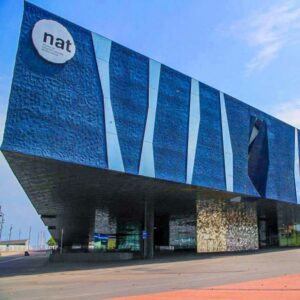

ICASSP 2026 takes place at the Barcelona International Convention Centre (CCIB), which applies a sustainability strategy based on Environmental, Social and Governance (ESG) criteria. This approach provides a structured framework for managing environmental performance, social responsibility, and governance practices within the scope of venue operations and event delivery.
CCIB holds internationally recognised certifications relevant to conferences and congresses, including ISO 20121 for Sustainable Event Management, ISO 22000 for Food Safety, ISO 50001 for Energy Management, and the Biosphere certification for Responsible Tourism. These certifications support a systematic approach to managing events, energy use, and operational processes.
The venue aligns its sustainability actions with selected United Nations Sustainable Development Goals (SDGs), focusing on areas where its activities and sector can make a direct contribution. Since 2011, CCIB has published an annual sustainability report covering environmental, social, and governance indicators. These indicators are defined through a materiality analysis in line with Global Reporting Initiative (GRI) standards and reflect the priorities of key stakeholders, including event organisers, suppliers, employees, and the local community.
Further information on CCIB’s sustainability strategy and reporting is available at: https://ccib.es/en/sustainability/